the 1970s
The Canal Boat Attack
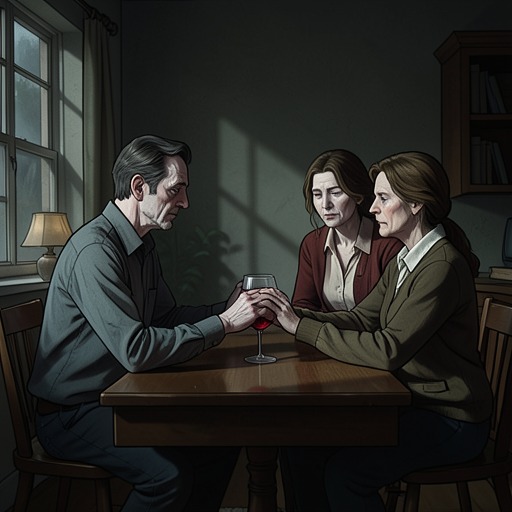
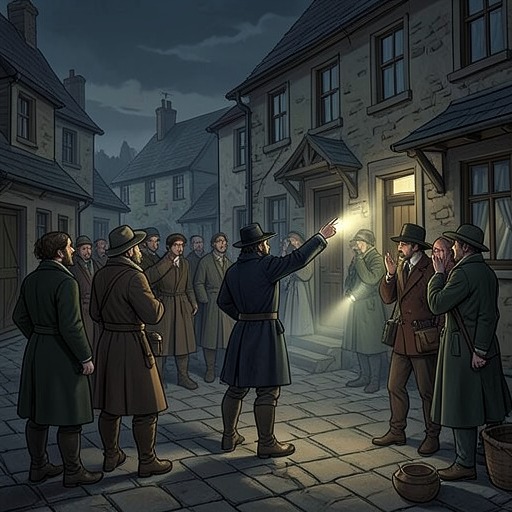
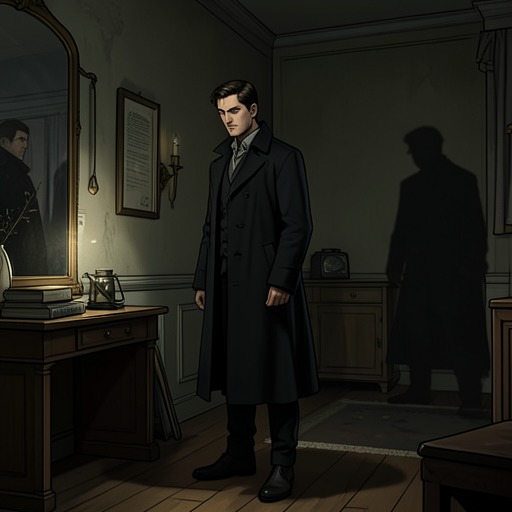
When [Peter Radley](entity:character-recall-character-peter-radley-c21d45a86024) and [Will Radley](entity:character-recall-character-will-radley-3e2273cacd61) were children, two men broke into their family’s canal boat intending to kill their parents with sharpened hawthorn stakes. Peter hid in terror as one attacker came for him with a sword.
Will fought back, killing both men and getting his younger brother to safety. The attack bound the brothers together, while Will’s boldness and violence foreshadowed the very different lives they would choose.
after the canal boat attack
The Orphaned Brothers
After their parents died, Will took Peter away from the burning boat and later found them a home with abstaining vampires. Their new guardians offered safety and restraint, but Will remained a restless influence on his younger brother.
As they grew up, the brothers shared a taste for vampire music, nightlife, and blood. Peter’s later decision to abstain would become a break from a past Will continued to embrace.
Will and Peter’s adolescence
A Life of Blood
Will introduced Peter to vampire clubs, blood-fueled music, and dangerous experiments. They played in a band, traveled at night, and treated blood as pleasure and escape rather than a danger to be resisted.
Those years formed the reckless world Peter would eventually leave behind. For Will, they became the standard by which ordinary life seemed pallid and false.
the late 1980s
Peter Meets Helen
As a medical student in [London](entity:location-recall-location-london-420923d4a60a), Peter brought Helen into his life and told Will that he was serious about her. Will was initially unimpressed, but Helen’s intelligence, wit, and vitality gradually captivated him too.
Peter intended to tell Helen the truth and eventually convert her with her consent. Will urged him to wait, concealing his own growing attachment to his brother’s partner.
the early 1990s
Will’s Forbidden Love
Will became jealous of Peter and Helen’s happiness and tried to persuade his brother to delay their commitment. He eventually admitted that he loved Helen, though she remained devoted to Peter.
Rather than accept her refusal, Will used blood-minding to influence her feelings. His talent let him override her resistance and set in motion a betrayal that would shape the family for years.
13 March 1992
The Paris Conversion
Two weeks before Peter and Helen’s wedding, Will blood-minded Helen into leaving with him for [Paris](entity:location-recall-location-paris-c02b439ce220). There, in a night of passion, he converted her, creating a bond that bound her emotionally to him even as she loved Peter.
Helen later returned to Peter and went ahead with their marriage. The conversion and the affair became a secret buried beneath the respectable life they built together.
June 1992
Peter Marries Helen
Peter and Helen married after Helen had accepted his vampiric nature and agreed to become a vampire herself. Peter believed he was following Will’s advice by waiting before making their relationship permanent.
He did not know that Will had already converted Helen. The marriage began with a concealed betrayal that later undermined Helen’s ability to feel fully present in their life together.
after the 1992 wedding
The Abstainer Household
Peter and Helen attempted to build a life together while Peter resisted drinking blood. Helen became pregnant, and the couple turned toward abstinence, conventional routines, and a quiet family life.
Their effort to appear ordinary required constant concealment: they hid their history, avoided sunlight, and taught their children explanations that disguised vampirism as illness. The home’s calm surface was built on fear and omission.
1994 to 1998
Will’s Letters and Photographs
Helen secretly sent Will letters and photographs of Rowan as he grew up. In her final letter, she asked Will to stop receiving them so she and Peter could raise the children without his presence.
She hoped ordinary family responsibilities would help her forget the affair and its consequences. The keepsakes remained in Will’s possession, however, preserving evidence of Rowan’s true parentage.
two years before the main story
Will Kills Tess
Will murdered [Tess Copeland](entity:character-recall-character-tess-copeland-2f90ccc3fd2d) on a university campus and carried her away. Her husband, [Jared Copeland](entity:character-recall-character-jared-copeland-78b1b712387c), witnessed the attack but could not persuade the authorities to accept what he had seen.
The police suppressed the truth, dismissed Jared from his position, and had him hospitalized. The killing left Jared traumatized and made him intensely protective of his daughter, [Eve](entity:character-recall-character-eve-09bb1968b5f4).
months before the story
The Move to Bishopthorpe
After losing his police career and struggling with his wife’s disappearance, Jared moved with [Eve](entity:character-recall-character-eve-09bb1968b5f4) from [Manchester](entity:location-recall-location-manchester-4236006a4a66) to [Bishopthorpe](entity:location-recall-location-bishopthorpe-cba615bca254). Money troubles and grief strained their relationship, while Eve felt that each move further separated her from her mother.
They became tenants of [Mark Felt](entity:character-recall-character-mark-felt-84e119ae9391), whose son [Toby](entity:character-recall-character-toby-dc8e3140da29) was already a bully at school. Eve befriended Clara, and through her came into the Radleys’ orbit.
the years before the story
The Radleys’ Quiet Life
Peter and Helen raised Rowan and Clara as abstainers, insisting on routine and ordinary explanations for their children’s poor sleep, rashes, and sensitivity to daylight. They avoided garlic and kept a carefully respectable home.
Their children felt different without understanding why. Rowan endured bullying and isolation, while Clara struggled with illness and with animals’ fearful reactions to her.
Friday at about 3 a.m.
Rowan’s Sleepless Night
Rowan lay awake in his room at [17 Orchard Lane](entity:location-recall-location-17-orchard-lane-8b580f9932d8) despite taking far more Night Nurse than recommended. He read Byron and endured the familiar itching, exhaustion, and violent dreams that made his nights a torment.
He heard Helen visit the spare room, a nighttime habit she had never explained. The household’s secrets were already present in the quiet before the day’s crisis began.
Friday before dawn
Helen’s Hidden Longing
Peter woke and tried to rekindle intimacy with Helen, recalling their earlier, more adventurous life. Helen turned him away and denied that she thought about [London](entity:location-recall-location-london-420923d4a60a) or their past.
Her evasions revealed how much their marriage had become an effort to preserve normality. Peter’s longing for blood and excitement was returning, while Helen tried to keep their buried history sealed.
the week before Friday
Clara Becomes Vegan
Clara changed from vegetarianism to veganism, hoping that animals might stop fearing her. The new diet worsened her nausea, but she insisted she was fine and planned to attend a party with [Eve](entity:character-recall-character-eve-09bb1968b5f4).
Her parents worried that the diet was making her ill, without admitting that her symptoms were connected to the family’s blood craving. Clara’s attempt to live by her principles would leave her especially vulnerable to an uncontrolled hunger.
Friday morning
Peter’s Midlife Reckoning
Peter stared at his stale routines and felt trapped in a life that no longer suited him. He had spent years suppressing his desires, and now he questioned whether that restraint had made him good or merely dissatisfied.
He told Helen he thought it was time to tell the children the truth. Helen insisted that protecting them and maintaining their ordinary life mattered more, setting the couple’s opposing instincts into sharper relief.
Friday morning
The Felts’ Dinner Invitation
Peter encountered [Lorna Felt](entity:character-recall-character-lorna-felt-3894498b3b39) and was unsettled by the scent of her blood and the attraction he felt toward her. He also noticed her red setter’s fear of him, another reminder of the nature his family suppressed.
As he walked to the clinic, a garbage truck worker stared at him with unusual hostility. Peter could not identify the man, but the encounter hinted that the past was closing in on the Radleys.
Friday morning
Rowan’s Bus Humiliation
On the bus, [Toby](entity:character-recall-character-toby-dc8e3140da29) and [Stuart Harper](entity:character-recall-character-stuart-harper-2a82d48d8298) mocked Rowan’s appearance and his Byron book. They threw the book through an open window, while the other pupils laughed or stayed silent.
They then insulted Clara and discussed her as a sexual target. Rowan imagined them as flayed bodies but could not defend his sister, deepening his shame and helplessness.
Friday morning
Rowan’s German Lesson
In German class, Rowan was forced to read Goethe aloud. He stumbled through the passage until his teacher demanded more passion, and he unexpectedly shouted its meaning in English: that self-denial never ends.
The class laughed, but the words resonated with Rowan’s own life of denied instincts. Moments later he saw Clara run toward the toilets, visibly sick.
Friday daytime
Clara’s Illness Worsens
Clara vomited at school and tried to conceal how sick she felt. Rowan found her afterward, but neither sibling understood why her condition was escalating.
Their exchange exposed the distance between Clara’s ideals and her body’s needs. At home, the parents had already feared that her diet could trigger something they had not explained.
Friday evening
Peter’s Garlic-Filled Dinner
At dinner with Mark and [Lorna Felt](entity:character-recall-character-lorna-felt-3894498b3b39), Peter tasted Lorna’s garlic-laced salad and choked in disgust. Helen covered for him by claiming he was allergic to garlic.
The meal exposed the Radleys’ vulnerabilities while Peter struggled to keep his attention on Lorna. When Mark mentioned that his tenant Jared was behind on rent, Helen realized the garbage worker she had seen searching their rubbish was Jared himself.
Friday evening
Lorna’s Foot Beneath the Table
During dinner, Lorna pressed her foot against Peter’s beneath the table. He retreated, trying to keep the fantasy sexual and ordinary rather than surrendering to the attraction and blood scent he associated with her.
Mark also announced plans to extend [19 Orchard Lane](entity:location-recall-location-19-orchard-lane-8910520a3082), potentially shading the Radleys’ garden. Peter’s response—that shade would suit them—nearly exposed how unusual their life was.
Friday night
Clara Leaves the Party
At Jamie Southern’s party, Clara watched [Toby](entity:character-recall-character-toby-dc8e3140da29) get [Eve](entity:character-recall-character-eve-09bb1968b5f4) drunk and kiss her while [Stuart Harper](entity:character-recall-character-stuart-harper-2a82d48d8298) stared at Clara with predatory interest. Her sickness intensified until Eve offered to leave with her.
Clara insisted she could call her mother, then walked away from the party alone when she felt she was about to be sick. With no phone signal and no clear path back, she crossed into the dark fields.
Friday night
Harper Attacks Clara
Harper followed Clara into the field and claimed she wanted him. When she tried to leave, he blocked her, took her phone, and restrained her as she begged him to stop.
He tried to force himself on her and covered her mouth when she screamed. Clara’s fear hardened into anger as she fought back, biting his palm and tasting his blood.
Friday night
Clara Kills Harper
The taste of Harper’s blood abruptly ended Clara’s nausea and fear, replacing them with an overwhelming sense of strength and pleasure. She lost control and attacked him, feeding until he was dead.
The experience transformed Clara’s understanding of herself. She had been raised to suppress her nature, but the blood made that nature feel powerful, pleasurable, and impossible to deny.
late Friday night
Helen Gets Clara’s Call
Back at dinner, Helen missed Clara’s first call. On the second, Clara could barely speak, repeating that she could not stop because of the blood.
Helen understood that the feared crisis had arrived. She told Peter, and the couple drove out to find their daughter and the body she had left behind.
late Friday night
Peter Calls Will
On the drive, Peter argued that the children had to be told the truth and called his estranged brother, Will. Helen tried to stop him, reminding him of their promise never to contact Will.
Peter believed Will could solve the problem, while Helen wanted to handle it without him. Their disagreement exposed both the practical danger and the emotional history bound up in Will’s return.
late Friday night
The Radleys Find Clara
The couple found Clara by the roadside, covered in blood and unable to explain what had happened. Peter returned to Harper’s corpse and tried to move it, but he was too weak to carry the large body.
When headlights approached, Helen took Clara home and urged Peter to abandon the corpse. Peter chose instead to taste its blood, recovering the strength and ability to fly that he had suppressed for seventeen years.
late Friday night
Peter Disposes of the Body
Peter lifted Harper’s corpse and flew out over the [North Sea](entity:location-recall-location-north-sea-960ca89fc319), dropping it far from shore. The return of blood brought him a rush of freedom and a temptation to escape his family and resume his old life.
He chose to return to Helen and Clara, telling himself that he was still a good man. His exhilaration, however, had revived appetites that abstinence had kept dormant.
late Friday night
Helen Tells Clara the Truth
Driving home, Helen began explaining that the family had inherited a dormant condition and that Clara’s instincts had emerged. She tried to reassure her daughter that they could return to normal.
When Clara asked what she was, Helen could only tell her that she was still herself. The answer could not conceal that Helen had delayed the truth until her daughter had already killed someone.
Friday night in Manchester
Will Kills Julie
In [Manchester](entity:location-recall-location-manchester-4236006a4a66), Will seduced Julie, a supermarket checkout worker, and took her into his camper van. He told her that he was a vampire, but she treated the claim as a joke until he killed her.
Will received Peter’s message asking for help but could not reach his brother after Peter switched off his phone. He then called using an old number and set out toward [Bishopthorpe](entity:location-recall-location-bishopthorpe-cba615bca254).
early Saturday morning
Rowan Learns About Vampires
Rowan discovered his parents had returned with Clara covered in blood and demanded an explanation. Peter came home after disposing of Harper’s body, and the family finally told Rowan and Clara that they were vampires.
Peter explained Rowan’s insomnia, rash, hunger, and sunlight sensitivity as signs of his nature. Rowan reacted with disbelief and anger, realizing that the medical explanations he had trusted were lies.
Saturday after midnight
Peter Gives Rowan the Handbook
Peter tried to comfort Rowan by explaining vampiric history and insisting that the family had chosen to abstain. He described the dangers of blood and gave Rowan [The Abstainer’s Handbook](entity:object-recall-object-the-abstainer-s-handbo-d650e6170366) as a guide to resisting it.
Rowan felt less reassured than condemned. Learning that his condition could last for centuries, and that blood might make him powerful and happy, intensified his despair rather than easing it.
Saturday morning
Rowan’s Suicide Attempt
Overwhelmed by the revelation that he was a vampire and had been deceived throughout his life, Rowan swallowed a packet of ibuprofen. He hid in the churchyard, hoping the overdose would end his life.
The handbook explained that abstainers were unusually difficult to kill with ordinary doses of medicine. Rowan survived, and later felt relieved that he could still see [Eve](entity:character-recall-character-eve-09bb1968b5f4), though his suicidal despair remained close.
Saturday morning
Will Arrives at the Radley Home
Will arrived at [17 Orchard Lane](entity:location-recall-location-17-orchard-lane-8b580f9932d8) and embraced Peter, while Helen immediately wanted him gone. Rowan learned that this stranger was his uncle and resented yet another family secret.
Will was charming and evasive, and he refused to leave when Peter tried to dismiss him. His presence brought the family’s old conflicts into the house and made Helen fear that he would influence the children.
Saturday morning
Will Reunites with Helen
Will spoke privately with Helen about their past in [Paris](entity:location-recall-location-paris-c02b439ce220) and made clear that he still wanted her. Helen accused him of threatening the life she had built with Peter and the children.
Rowan overheard fragments of their conversation, including the revelation that Helen had been converted before Peter knew. The discovery further destabilized his sense of family and left him unsure which truths he could trust.
Saturday afternoon
Lorna Visits Peter’s Clinic
Lorna came to Peter’s clinic for a blood-pressure check and invited him to a jazz evening. Peter imagined attacking her, then forced himself to conduct the appointment professionally and declined the invitation.
His restraint brought relief but also regret. The encounter made plain how difficult abstinence had become, especially as his attraction to Lorna grew alongside his renewed taste for blood.
Saturday daytime
Will’s Blood-Stained Dreams
Will dreamed of dead victims rising from a lake of blood and of Helen waiting on shore. He woke to find her outside his camper van, asking him to leave the family alone.
He persuaded her to talk inside and revived memories of [Paris](entity:location-recall-location-paris-c02b439ce220), arguing that the quiet life had buried the person she used to be. Helen resisted him, but his presence continued to pull her toward the past.
Saturday night
Will Visits the Black Narcissus
Will returned to [Manchester](entity:location-recall-location-manchester-4236006a4a66) and visited [The Black Narcissus](entity:location-recall-location-the-black-narcissus-00c2a2307eea), where Isobel warned him that the police were asking about Julie and that his conduct was endangering other vampires. He found that his appetite for Isobel and other blood had begun to fail him.
He left the club rather than pursue the familiar pleasures on offer. His thoughts remained fixed on Helen and the family in [Bishopthorpe](entity:location-recall-location-bishopthorpe-cba615bca254), while his standing among the vampire community was deteriorating.
fifteen days before the Harper case
Will’s Removal from the List
Will’s increasingly reckless killings had alarmed the [Sheridan Society](entity:organization-recall-organization-sheridan-society-696de478f478). The police had once tolerated him because he was protected by the Society’s list of untouchable vampires, but his conduct made him a liability.
[Otto Child](entity:character-recall-character-otto-child-96e2aadfbf7b) told the police that no one cared about protecting Will anymore. This left Will exposed to a police operation and to the consequences of his past victims’ relatives seeking revenge.
Saturday evening
Mark Drinks Vampire Blood
Mark visited the Radleys to discuss building plans and accepted a glass that had been poured from Will’s bottle of vampire blood. He drank it without knowing what it was and immediately felt unusually exhilarated.
Peter realized the mistake too late. Mark left convinced the drink was an exceptional wine, carrying home a new energy that would affect his relationship with Lorna.
Saturday evening
The Family Argues About Blood
Peter confronted Will for leaving vampire blood where Mark could drink it. Will dismissed the danger, while Helen insisted that Will had to leave and Peter struggled to challenge his brother.
Rowan and Clara began asking Will about vampire life, and his candor made him more appealing to them than their parents’ rules. Helen watched the family’s resolve weaken as Will treated their restraint as a lie.
Saturday night
The Brothers Remember Their Childhood
Peter remembered Will saving his life during the canal boat attack and guiding him through their parents’ deaths. The memory complicated Peter’s anger: Will had been dangerous, but he had also been the brother who kept him alive.
Their shared childhood and past indulgences made it harder for Peter to reject Will outright. The bond helped explain why the family’s emergency had brought Will back into their home.
Saturday evening
Will Recounts the Vampire World
Will described the [Sheridan Society](entity:organization-recall-organization-sheridan-society-696de478f478), its protection arrangements, and the informal rules that allowed notorious vampires to remain beyond police reach. He also explained that conversion created a powerful emotional bond between the vampire and the person whose blood was exchanged.
Clara and Rowan were fascinated, while Helen feared that the explanations were making blood drinking seem attractive. Will’s stories offered the children a thrilling alternative to the life their parents had prescribed.
Saturday night
Jared Attacks Will
Jared hid near the Radleys’ garden and attacked Will with an axe, driven by the belief that Will had murdered [Tess](entity:character-recall-character-tess-7136fe16a68b). Will dragged him into the pond and demanded to know who he was, but did not kill him.
The attacker escaped, leaving the axe in the water. Will’s hesitation marked a rare pause between impulse and action, though he did not yet understand the full connection between Jared and his past.
Saturday daytime
Clara’s Blood Thirst at Topshop
While shopping with [Eve](entity:character-recall-character-eve-09bb1968b5f4), Clara smelled the blood of people in nearby changing rooms and was overcome by the memory of killing Harper. She nearly pulled back another shopper’s curtain before panic made her run.
A security guard cornered her in an alley. Clara showed him her fangs, frightening him into releasing her, and realized that her new power could control others even when she was not feeding.
Saturday daytime
Eve Defies Her Father
[Eve](entity:character-recall-character-eve-09bb1968b5f4) tried to go shopping with Clara despite Jared grounding her. Their rent troubles and Jared’s fear had made their home life increasingly tense, and Eve wanted room to make her own choices.
Jared arrived at Clara’s house and dragged Eve home, warning the Radleys that he knew what they were. His threat frightened Rowan, while Eve was left ashamed and angry at her father’s behavior.
Sunday daytime
Eve Opens Up to Rowan
Rowan met [Eve](entity:character-recall-character-eve-09bb1968b5f4) after she had fled the conflict with her father. She told him that her mother had disappeared and described how grief, financial hardship, and Jared’s collapse had changed their lives.
Rowan listened with unusual tenderness and came close to confessing his feelings. Eve held his hand, leaving him with a reason to continue living and a renewed hope that they might become close.
Monday morning
The Body Reaches Shore
Harper’s corpse washed ashore near [Skipsea](entity:location-recall-location-56e3a3d5b821), where its wounds revealed that the killing had not been ordinary. The discovery turned the missing-person inquiry into a serious police investigation.
North Yorkshire detectives learned that the case had drawn the attention of a secret national unit. The body also undermined the Radleys’ confidence that Peter had disposed of it safely.
Monday morning
The Police Learn of Vampires
[Alison Glenny](entity:character-recall-character-alison-glenny-c02fa082db3b) of the [Unnamed Predator Unit](entity:organization-recall-organization-unnamed-predator-32a64d7d06ff) confronted [Geoff Hodge](entity:character-recall-character-geoff-hodge-b21f1c225f4e) and explained that Harper’s injuries were vampire bites. She revealed the existence of a hidden police effort to manage vampire killings through negotiation and covert cooperation.
Geoff struggled to accept the explanation but was ordered to hand over the case information. The investigation was no longer an ordinary local matter, and Clara’s danger had become part of a larger conflict.
Sunday daytime
The Police Question Clara
Two local officers questioned Clara about Harper, but Will arrived and used blood-minding to make them accept her innocence. He destroyed their notes and sent them away convinced that they had learned nothing useful.
The intervention temporarily protected Clara, but it also demonstrated how easily Will could manipulate the investigation. The officers’ lost memory drew Alison’s attention to possible vampire interference.
Monday lunchtime
Rowan Confesses to Eve
After drinking blood, Rowan approached [Eve](entity:character-recall-character-eve-09bb1968b5f4) at school with new confidence and declared that she was the most beautiful person he had ever known. He asked her to go to the cinema with him that night.
[Toby](entity:character-recall-character-toby-dc8e3140da29) interrupted and provoked a confrontation, knocking Rowan to the ground. Clara urged her brother not to reveal his fangs, and Rowan restrained himself; later, Eve agreed to the date by passing him a note.
Monday afternoon
Will Stays in Bishopthorpe
Will decided to remain in [Bishopthorpe](entity:location-recall-location-bishopthorpe-cba615bca254) rather than return to [Manchester](entity:location-recall-location-manchester-4236006a4a66), hoping to stay near Helen. He believed that their old connection might be rekindled and treated the family’s objections as temporary resistance.
His decision intensified the danger around the Radleys. Jared recognized him and, after learning that the police were prepared to act, told Alison that Will was in the village.
Monday afternoon
Jared Tells Alison About Will
Alison contacted Jared and told him that the police had removed Will from the protected list. She asked whether Will was in [Bishopthorpe](entity:location-recall-location-bishopthorpe-cba615bca254), and Jared confirmed that he was.
Jared wanted Will stopped, but he also feared another failed attempt and the harm that might reach [Eve](entity:character-recall-character-eve-09bb1968b5f4). His cooperation brought the [Unnamed Predator Unit](entity:organization-recall-organization-unnamed-predator-32a64d7d06ff) closer to the Radley home.
Sunday night
Rowan Drinks Vampire Blood
After another night of family tension and humiliation, Rowan drank from the bottle Will had given him. His rash disappeared, his strength and senses surged, and he began to float above his bed.
The intoxicating transformation made him feel capable of anything. It also weakened his restraint and sharpened his desire for [Eve](entity:character-recall-character-eve-09bb1968b5f4), leaving him vulnerable to the consequences of blood’s exhilaration.
Monday afternoon
Peter Drinks Lorna’s Blood Samples
At the clinic, Peter received blood samples belonging to Lorna and found himself unable to resist their scent. He swallowed all three vials, regaining strength and an intense feeling of being alive.
The lapse turned his attraction into a real betrayal of his abstinent principles. Instead of feeling satisfied, he became more eager to pursue the freedom and pleasure the blood seemed to promise.
Monday evening
Peter Abandons His Date
Peter arranged to meet Lorna at the [Fox and Crown](entity:location-recall-location-fox-and-crown-50eefae06a1c), convinced that the blood had made him ready to act on his attraction. As he waited, however, he thought of Helen and realized how much he still loved her.
He drove away without going inside, repeating the abstainer’s mantra as he returned home. The decision did not resolve his marriage, but it showed that his attachment to Helen remained stronger than his immediate desire.
Monday evening
Rowan Finds His Parentage
Looking for more blood in Will’s camper van, Rowan uncovered a shoebox containing childhood photographs and Helen’s letters to Will. One letter made clear that Will was Rowan’s biological father and that Helen had been trying to sever their connection.
The revelation shattered Rowan’s image of Peter and left him feeling that his entire life had been constructed from lies. He took Will’s blood and headed toward the cinema, carrying the knowledge with him.
Monday evening
Jared Tells Eve the Truth
Before leaving to confront Will, Jared told [Eve](entity:character-recall-character-eve-09bb1968b5f4) that her mother was dead and that he had witnessed Will kill her. He explained that the vampire story he had told during his breakdown was true.
Eve could not accept the revelation and believed her father was relapsing. Jared ordered her to stay home, but she later left for the cinema with Rowan, unaware that Will had followed them.
Monday afternoon
Helen Receives the Ultimatum
Alison told Helen that the police knew Clara had killed Harper and offered a way to make the killing disappear from the official record. Helen would have to kill Will before midnight, and the police demanded physical proof of his death.
Alison also threatened to expose Helen’s affair with Will to Peter if she refused. Helen was left facing an impossible choice between murdering the man she still craved and risking her daughter’s future.
Monday evening
Helen Fails to Kill Will
Helen held a knife and questioned Will in the kitchen, but he brought up their shared past, pulling her back into their old close relationship. She admitted she still wanted him, and when he cut himself, she tasted his blood
Monday evening
Rowan Drinks Helen’s Blood
In the cinema, Rowan opened the bottle taken from Will's sleeping bag and finally saw the label on the bottle: a blood bottle marked "[THE ETERNAL—1992](entity:object-recall-object-the-eternal-1992-a6eee7e87bda)." Inside was Helen's blood left behind that night during the transformation
Monday evening
Will Attacks Eve
Will rushes to the cinema, discovers the fragments of the blood bottle before [Eve](entity:character-recall-character-eve-09bb1968b5f4) enters the men's toilet to find Rowan. He grabs Eve, bites her, recognizes her as [Tess](entity:character-recall-character-tess-7136fe16a68b)'s daughter, and claims she is as brave as her mother. The attack leaves Eve seriously injured, but she survives
Monday evening
Jared Rescues Eve
Jared rushed to the cinema and found [Eve](entity:character-recall-character-eve-09bb1968b5f4) covered in blood, unconscious. He knew that ordinary medical treatment could not cure a vampire bite, so he picked her up and drove to the Radley house. He had to decide whether to let his daughter die or ask the Radley family to transform her
Monday evening
Rowan Spares Toby
After leaving the cinema, Rowen flew over Bishop sop village and caught [Toby](entity:character-recall-character-toby-dc8e3140da29) on the way. He lifted Toby into the air, intending to kill the boy who had been tormenting and insulting his family all along
Monday night
Will Claims Eve Is Dead
Will found Rowan and told him he had killed [Eve](entity:character-recall-character-eve-09bb1968b5f4), and he enraged Rowan by using Eve's blood and the bottle that had been stolen from Rowan. He also revealed that he had taken Helen's blood and mocked Rowan about his background. Rowan believed that Eve was already dead and
Monday night
Will Abducts Helen
Will rushes into Radley's house with a knife, forcing Helen to the edge of the blade, accusing her of choosing a false, colorless life. He drags her out of the house and then takes her away, intending to bring her back into their past relationship
Monday night
Rowan Saves His Mother
Rown heard Helen's scream, and rose from despair when his family was threatened, and flew after Will. He forced Will into the garden pond, and the axe that Jared had thrown away was still submerged in the water
Monday night
Eve Is Brought to the Radleys
Jared carried [Eve](entity:character-recall-character-eve-09bb1968b5f4) to 17th Street [Orchard Lane](entity:location-recall-location-orchard-lane-c68d8857b7ee), pleading with Peter to save her and confessed that the Radley family are vampires. Peter checked on Eve and realized she would die if she did not accept transformation. This family must face the consequences of another blood exchange. Jared knew that transformation
Monday night
Eve Chooses Rowan’s Blood
[Eve](entity:character-recall-character-eve-09bb1968b5f4) briefly regained consciousness and asked for Rown's blood. Rown understood that transforming her would create a bond between them, but he still gave her the blood needed to survive. The blood revived Eve and established a bond between the two. After waking up, she fell in love with Rown
a few nights later
The Family Begins Again
[Eve](entity:character-recall-character-eve-09bb1968b5f4) survived as a vampire. Jared also accepted that she must regularly drink vampire blood to avoid losing control and attacking again. He and Eve began to talk more honestly, and he agreed to let her obtain blood under supervision. Peter and Helen also began to repair their marriage. After admitting the harm each
a few nights later
The Radleys Choose Blood
Clara considers going back to a vegan diet because vampire blood already meets her nutritional needs. She still worries about her control over bloodlust, but begins to imagine a future that retains some of her principles while allowing her to continue living. The family went to Blackwater Nightclub to buy bottled blood
a few nights later
Rowan Burns the Family Secrets
Rown burned the letters that revealed that Will was his own father and childhood photographs. After drinking Helen's blood, he understood why she had hidden the truth and chose to protect his family from further exposure. This act could not erase everything Will had done, but it allowed Rown to accept Peter as
the following weeks
Jared Accepts Eve’s New Life
Jared found it difficult to adapt to Iva's changed appearance, habits, and her relationship with Rowan, but he was glad she was still alive and that the parent and daughter had started to communicate openly. He accepted the fact that she needed to supplement her vampire blood weekly
several nights later
A New Vampire Community
At Black Water Nightclub, Clara met the young vampire Raphael Child. He invited her to connect with him through neck writing. She first saw that perhaps there exists another social world outside of family-controlled life and Will's predatory behavior